Winter & Snow Adventure
Chase the Snow. Embrace the Himalayas.
- Duration
- Varies by destination and season
- Difficulty
- Challenging
- Location
- Kalinchowk, Langtang & Mustang
- Pricing
- Custom quote
At a glance
Overview
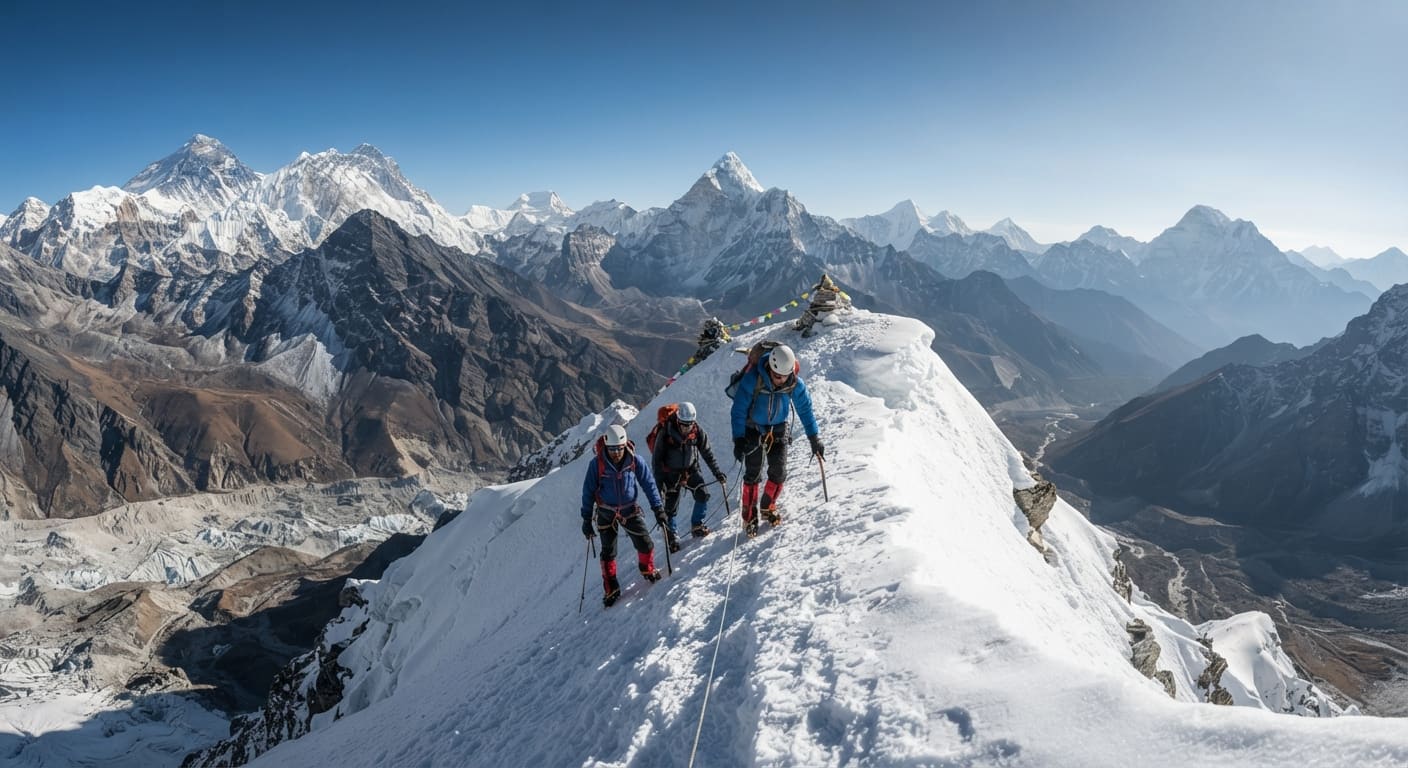
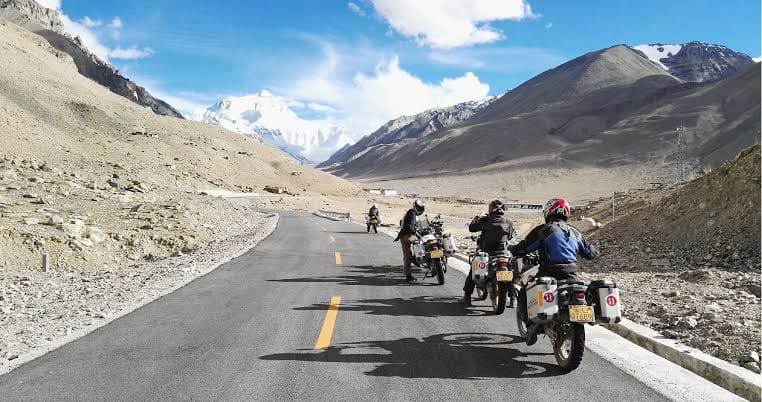
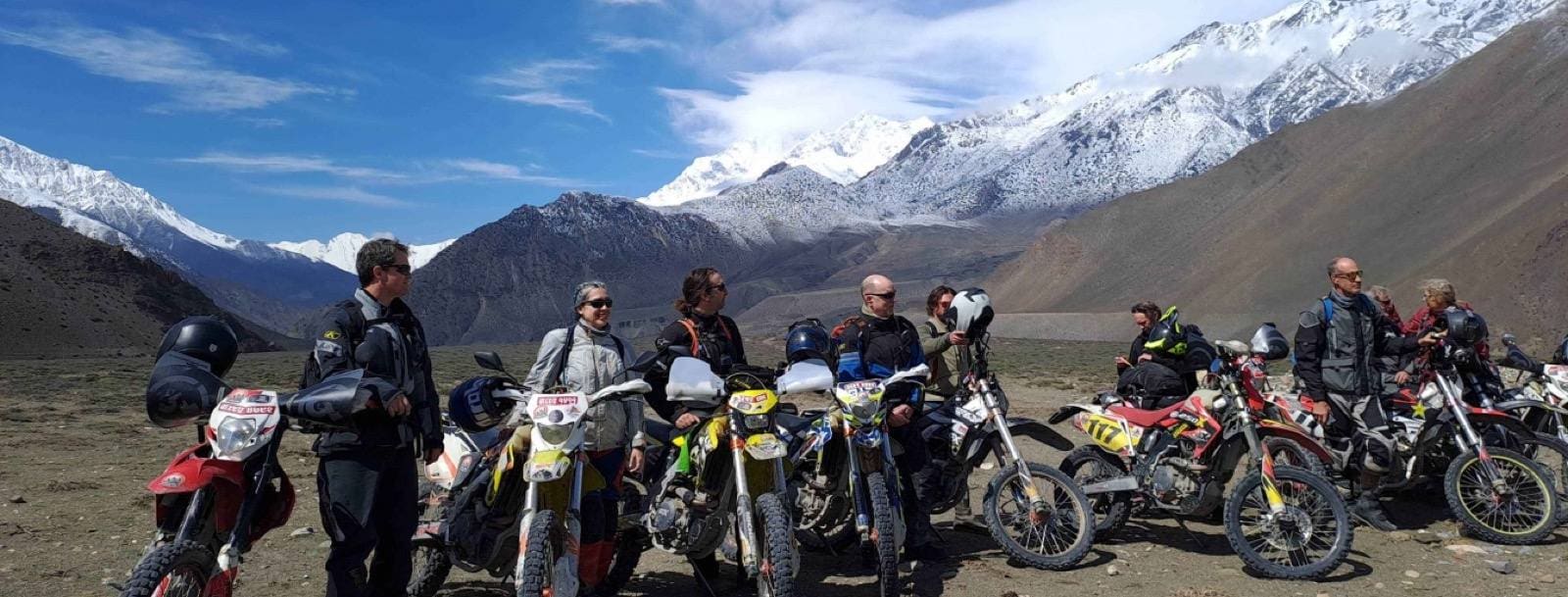
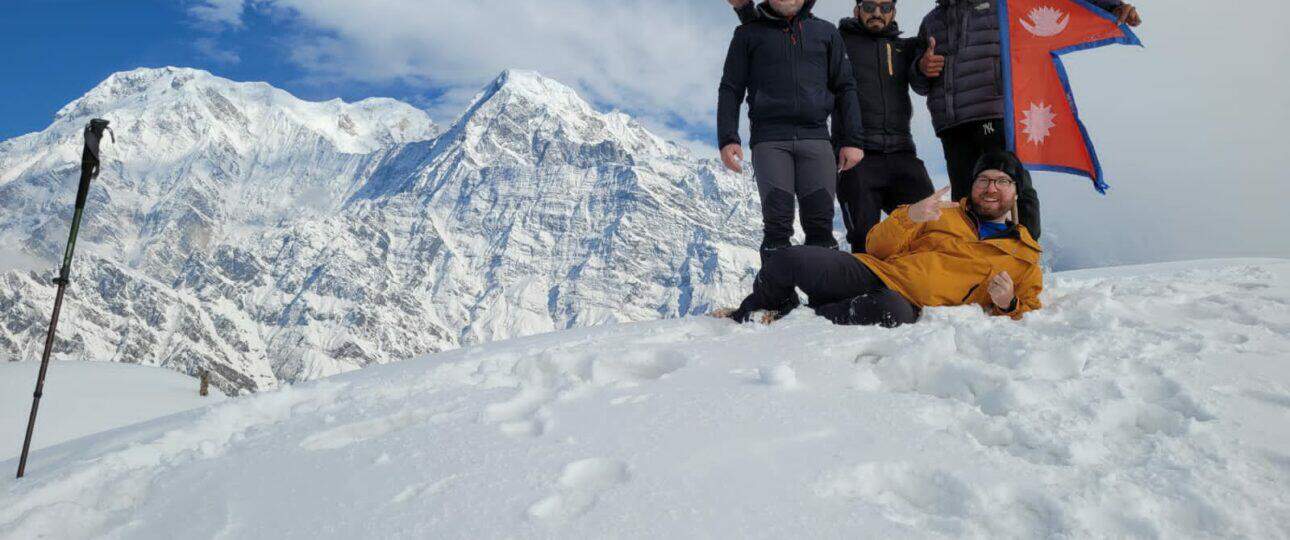
Winter transforms the Himalaya — quieter trails, crisp air, and snow-dusted landscapes at destinations like Kalinchowk, Langtang, Manang, Mustang and the Everest region that look completely different from their autumn or spring selves. Lower-altitude winter treks and viewpoint trips stay comfortably accessible through the cold months, while higher routes require proper cold-weather gear and planning around shorter daylight and snow-covered trails. For travelers who want the Himalaya without the peak-season crowds, winter is an underrated season — clear skies, dramatic snow-capped views and a genuinely different atmosphere on the trail.
Available destinations
Know before you choose
Why this adventure stands out
The defining experiences and details that make Winter & Snow Adventure distinctive.
Snow-season trips to Kalinchowk, Langtang, Manang, Mustang and the Everest region
Quieter trails and lodges compared to the busy spring and autumn seasons
Crisp, clear winter air often means exceptional mountain visibility
Routes adjusted for shorter daylight hours and snow conditions
A genuinely different, less-crowded way to experience familiar Himalayan regions
Before you go
Essential trip information
Best season
- +December-February, with route selection adjusted for snow depth and altitude.
Group size
- +Private groups or small departures, sized to route difficulty
What to bring / know
- +Serious cold-weather gear — insulated jacket, base layers, a warm sleeping bag rated well below freezing
- +Trekking poles and, on some routes, microspikes for icy or snow-covered trail sections
- +Flexibility in itinerary, since winter routes are more weather-dependent
- +Realistic expectations about shorter daylight hours affecting daily trekking distance
Good to know
Frequently asked questions
Is winter a good time to trek in Nepal?
Yes for lower and mid-altitude routes — winter offers clear skies, dramatic views and far fewer crowds, though higher passes may be snowbound or closed and require careful route selection.
What extra gear do I need for winter trekking?
A high-quality insulated jacket, a sleeping bag rated well below freezing, warm base layers and, on some routes, microspikes for icy trail sections.
Which destinations work best for winter trips?
Kalinchowk, lower Langtang, and viewpoint trips around Kathmandu and Pokhara stay comfortably accessible through winter; higher routes like Manang and Mustang are possible but require more careful planning around snow and cold.