Nepal
Dhorpatan Wilderness & Highland Culture Trek
- Duration
- 13 Days
- Style
- Moderate
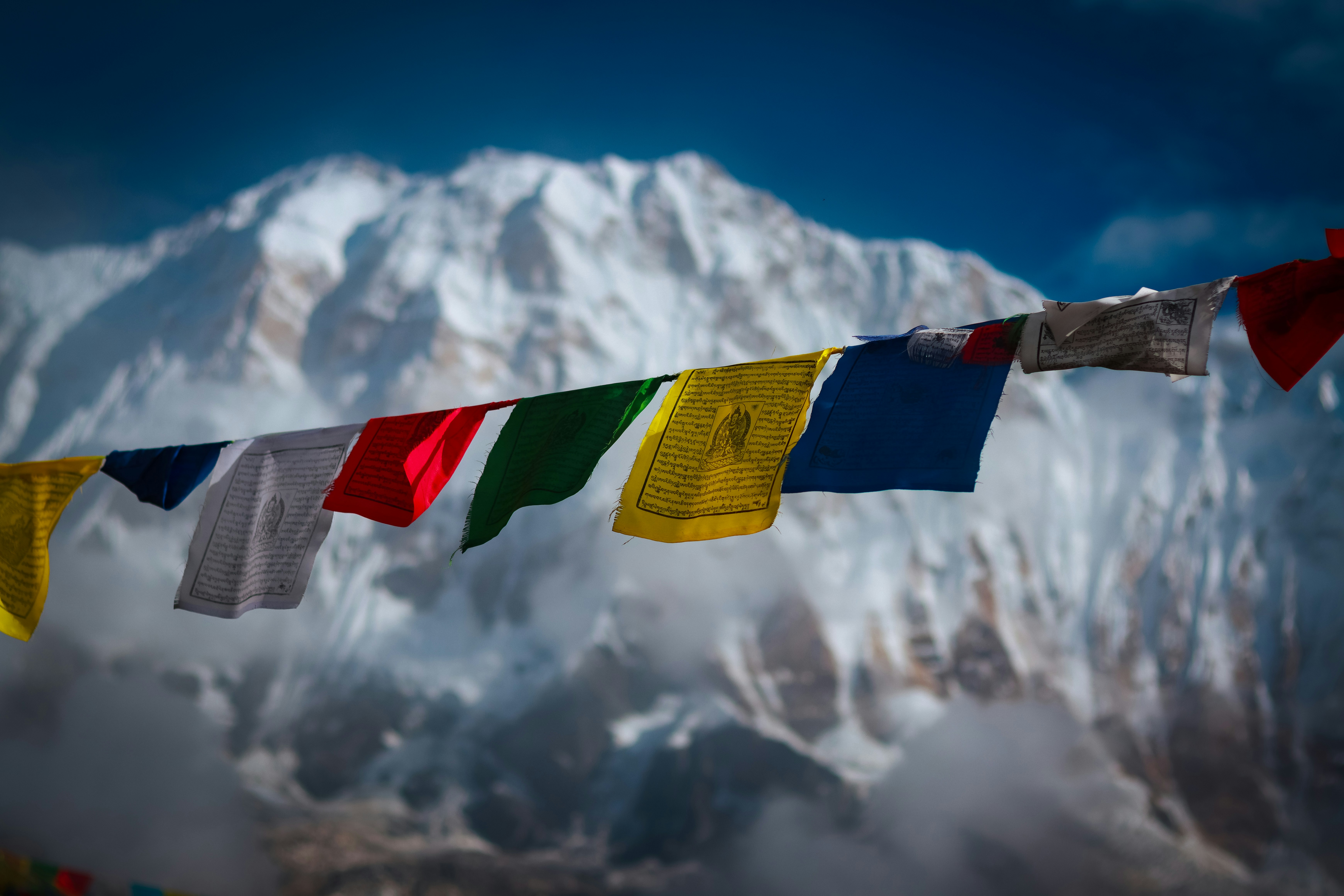
Discover Nepal through carefully planned treks, cultural journeys and outdoor adventures designed around your pace, interests and available time. Shailung Trails & Trekking connects travelers with spectacular landscapes, welcoming communities and dependable local support.
Where every step feels like heaven
Budhanilkantha-13 · Kathmandu · NepalFeatured this month
A hand-picked mix of treks, tours and experiences our team is excited about right now.
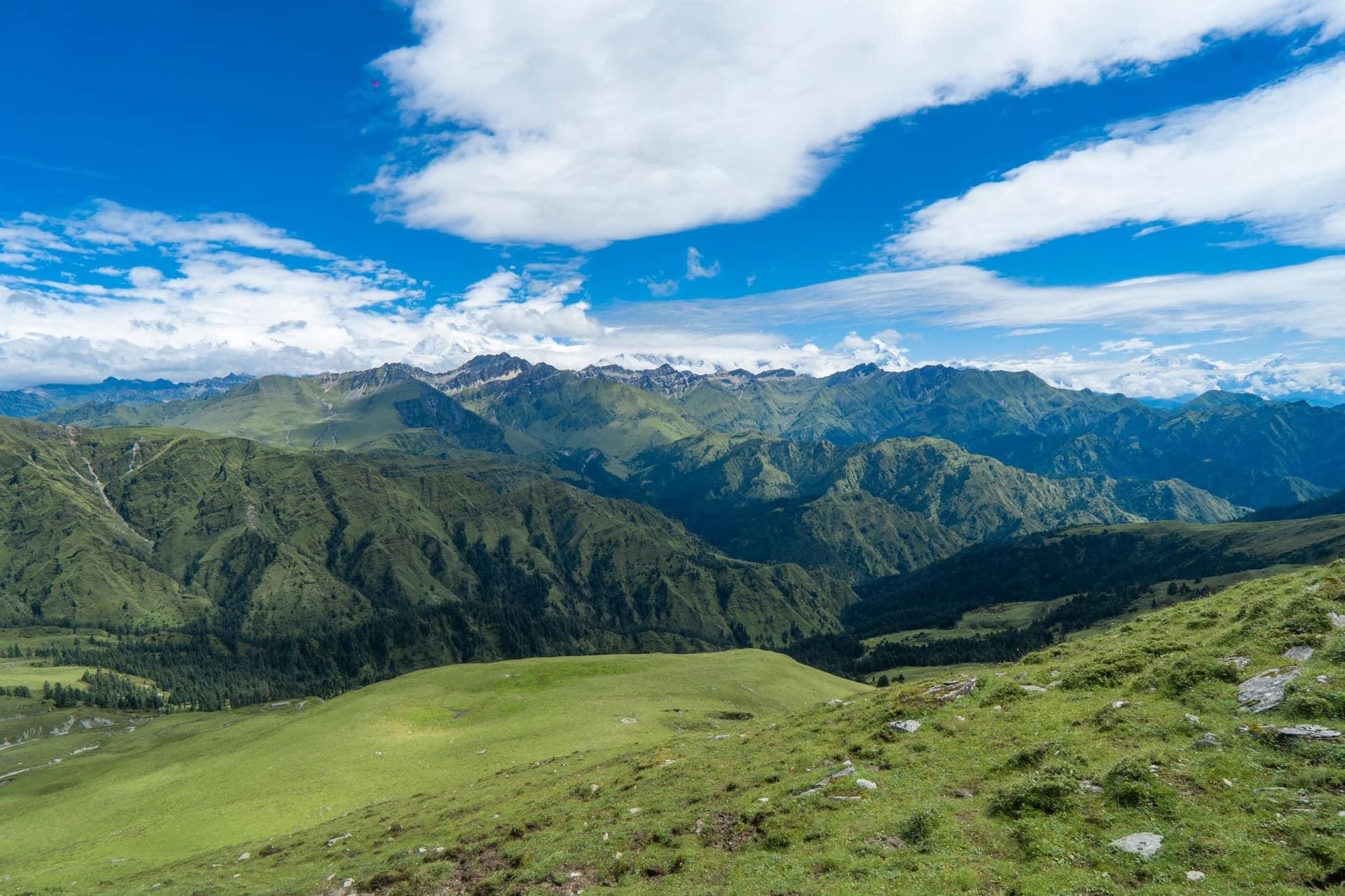 Trek
TrekNepal
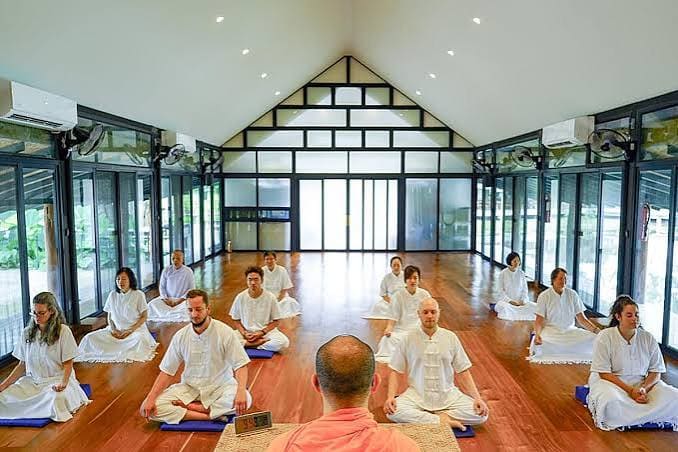 Tour
TourShailung Region
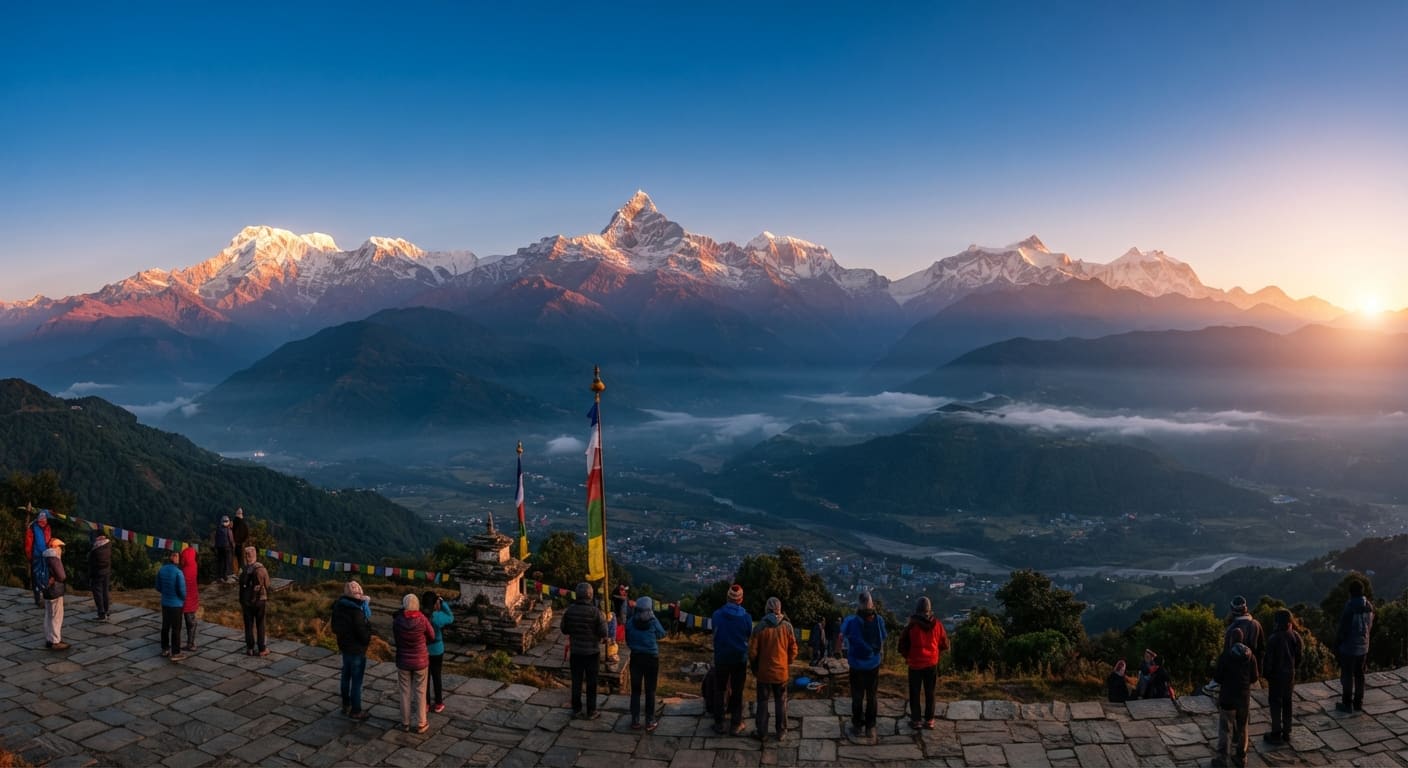 Sightseeing
Hotel lobby pickup anywhere within the Lakeside area, Pokhara
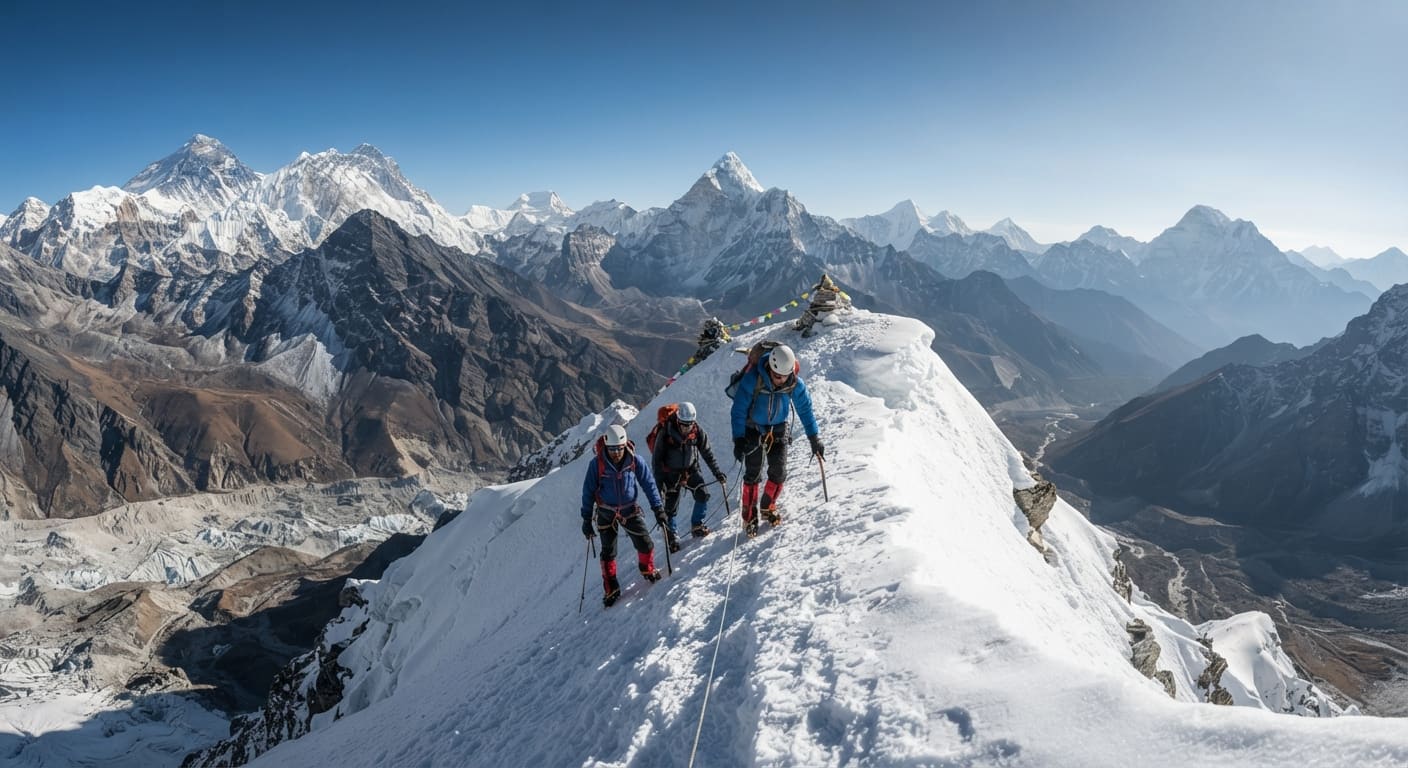 Activity
Everest, Annapurna & Manaslu regions
 International
Thailand
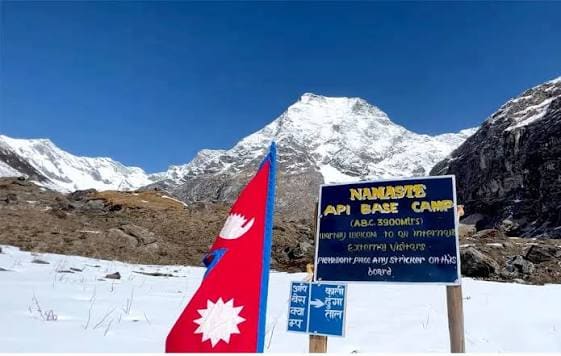 Trek
TrekNepal
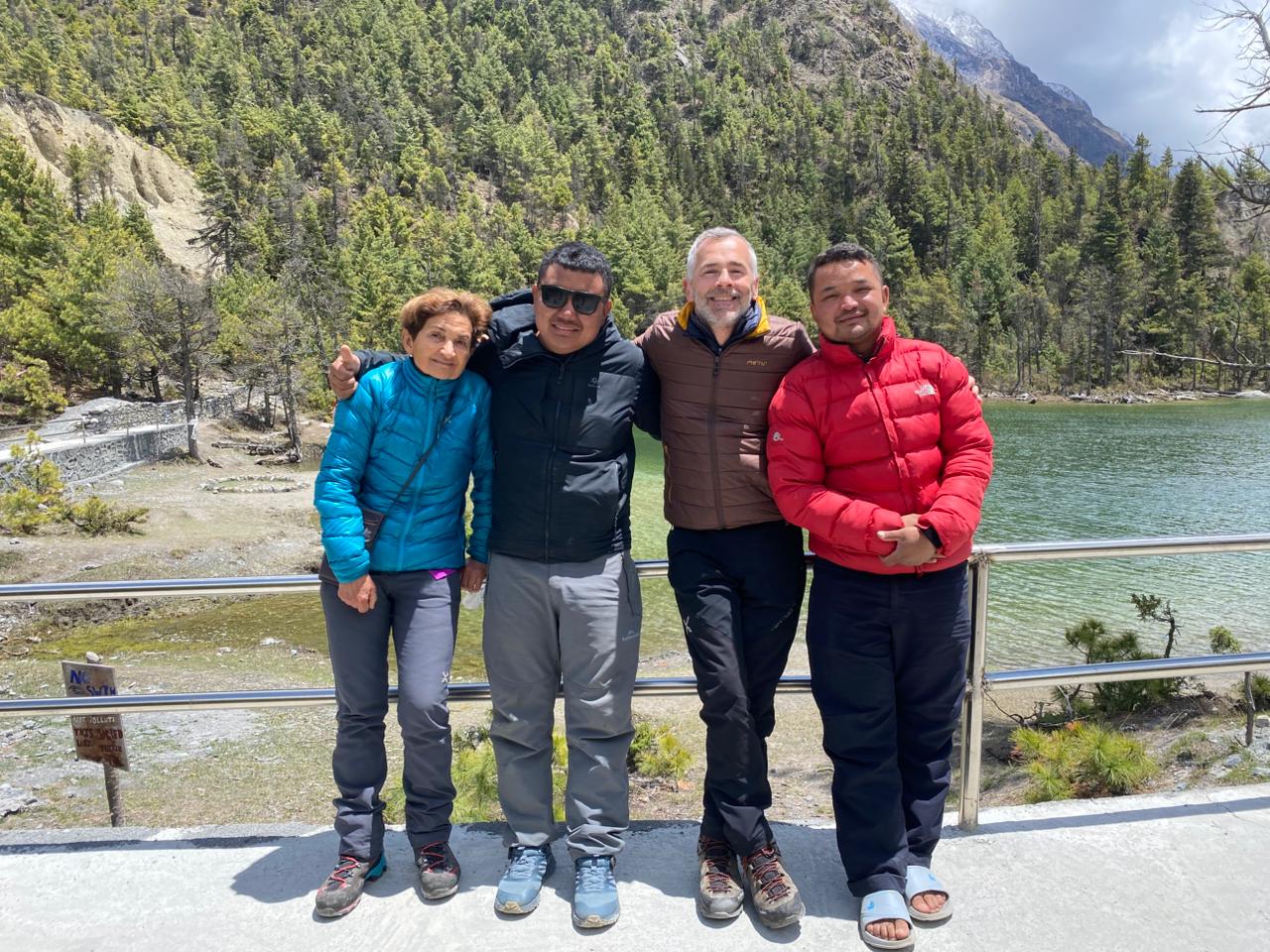
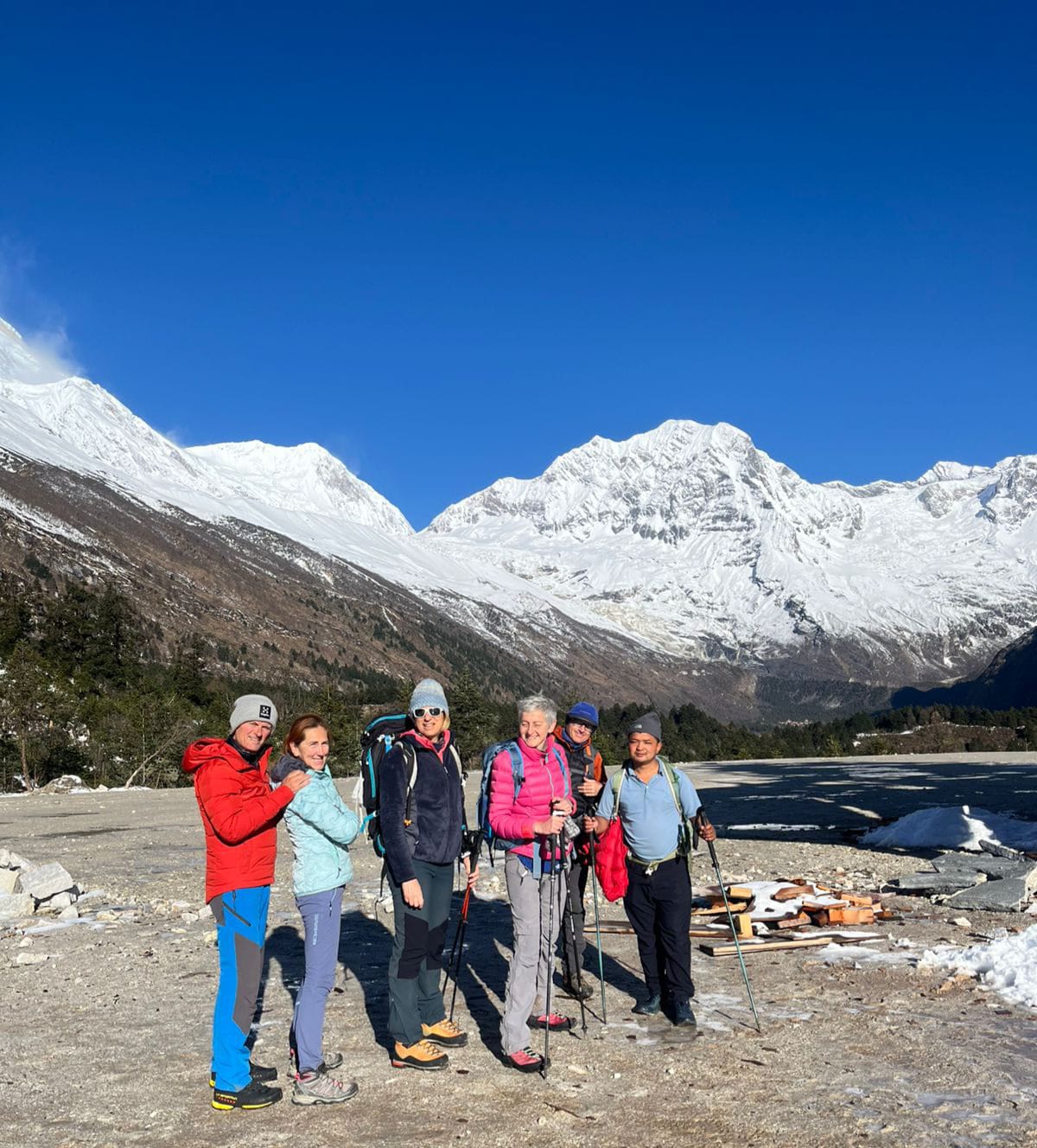
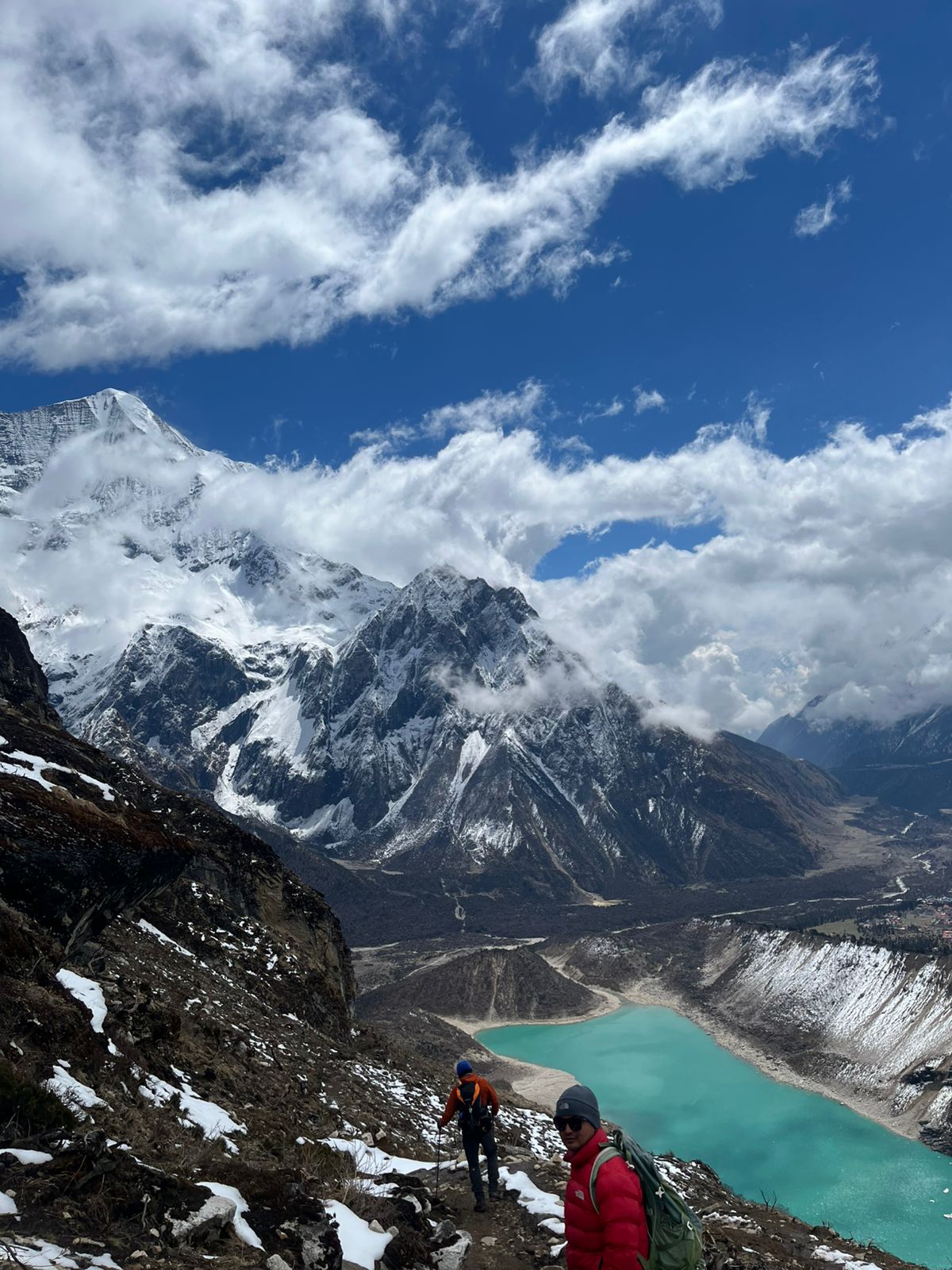
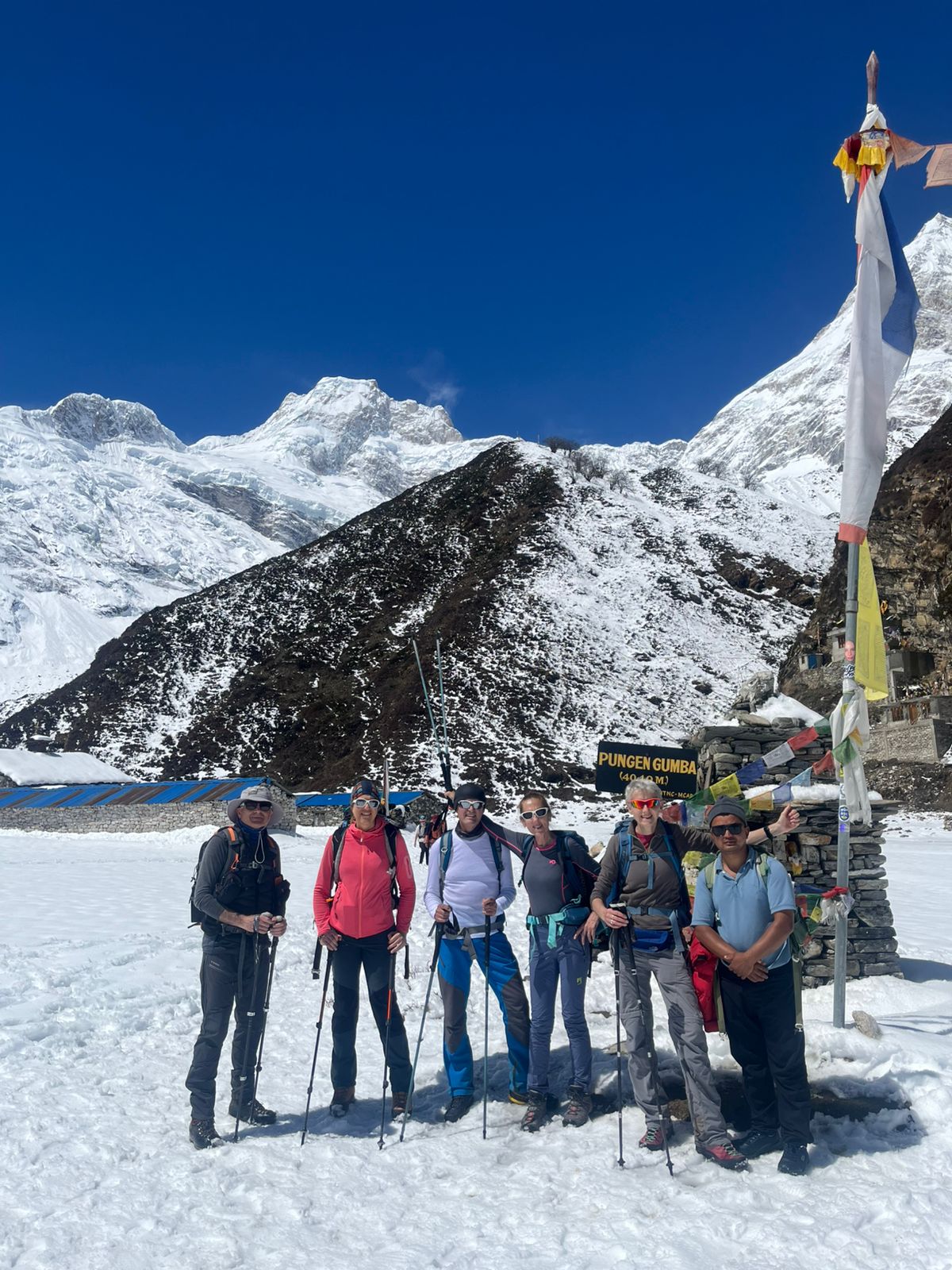
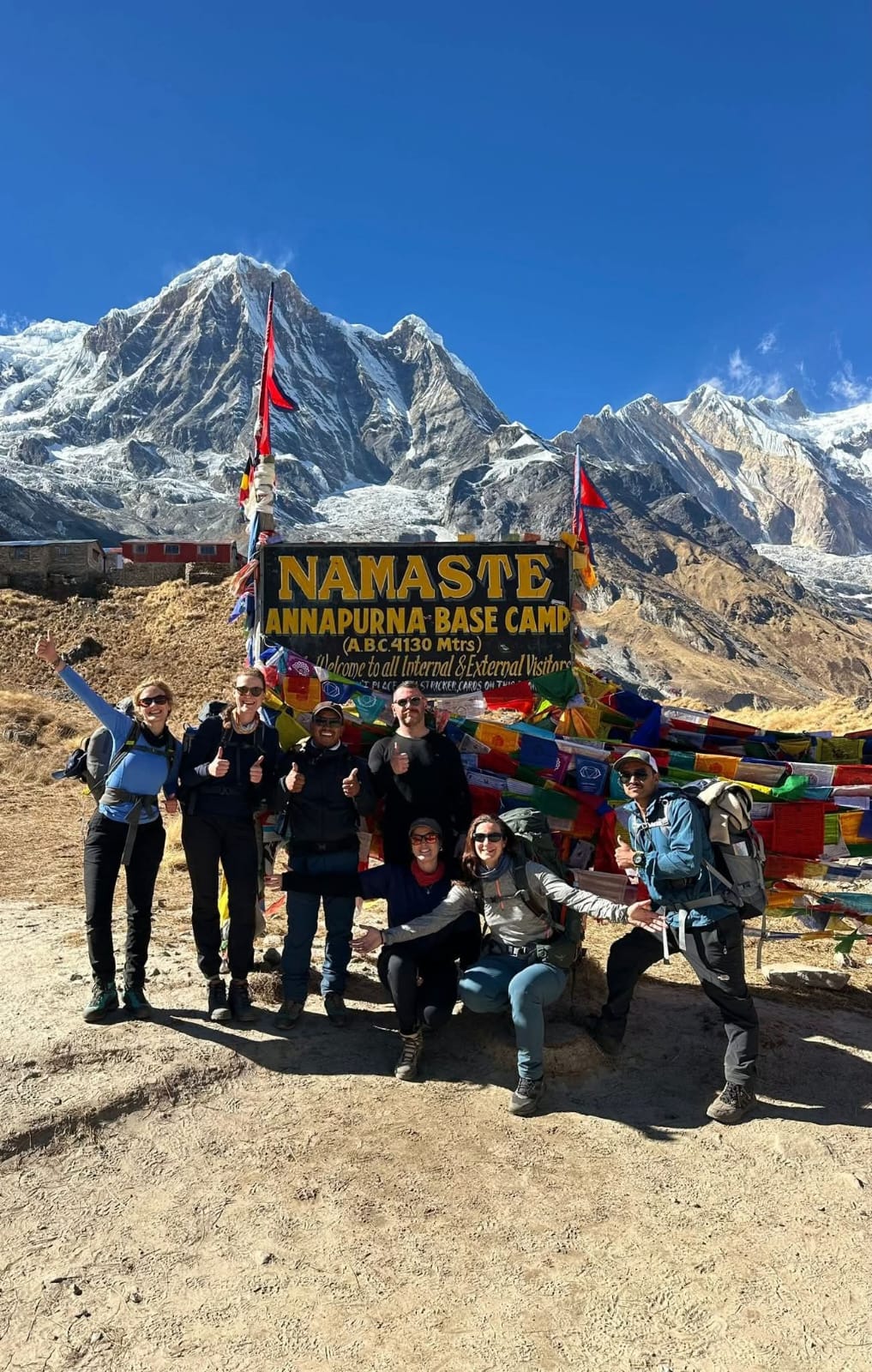
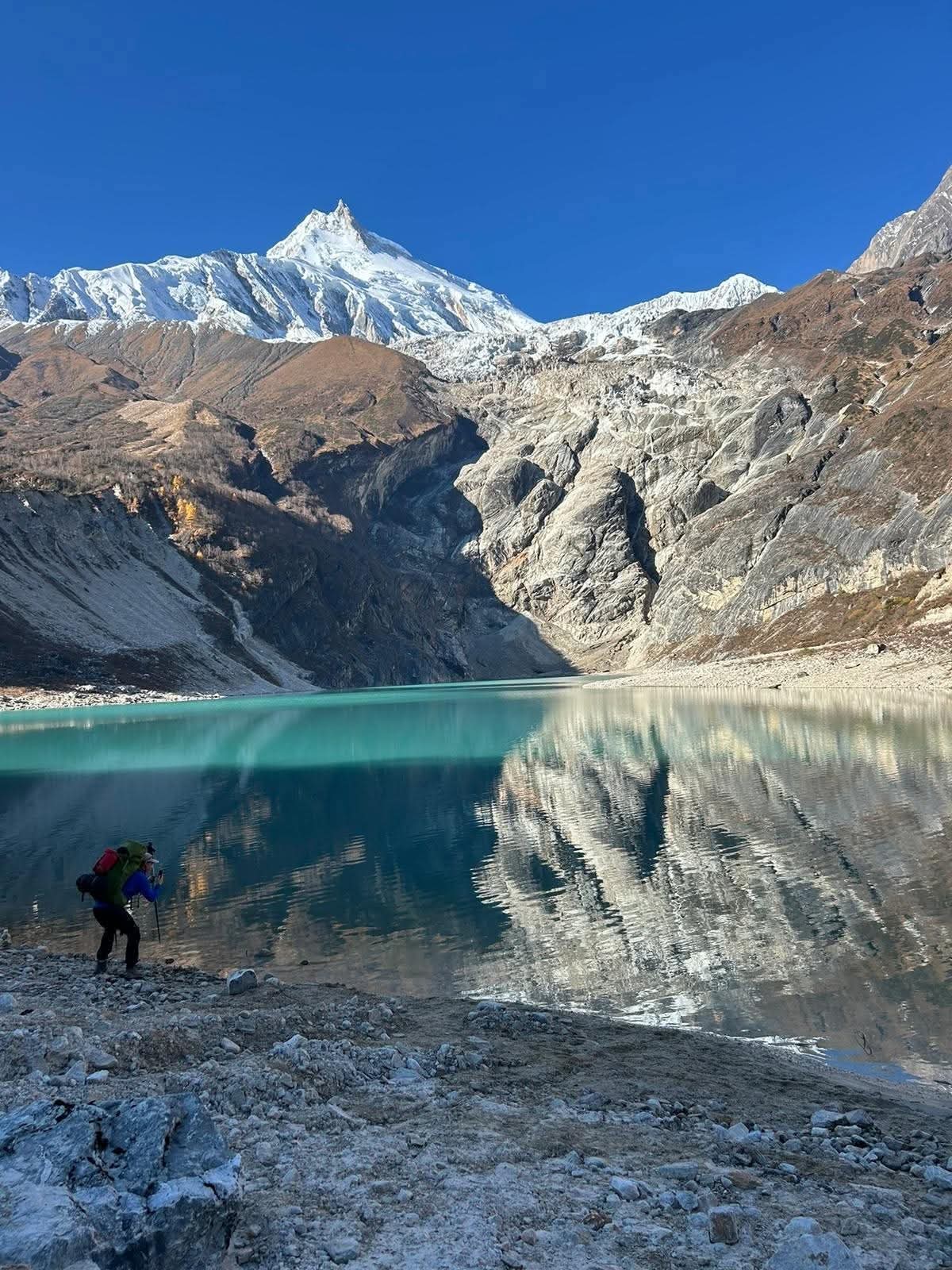
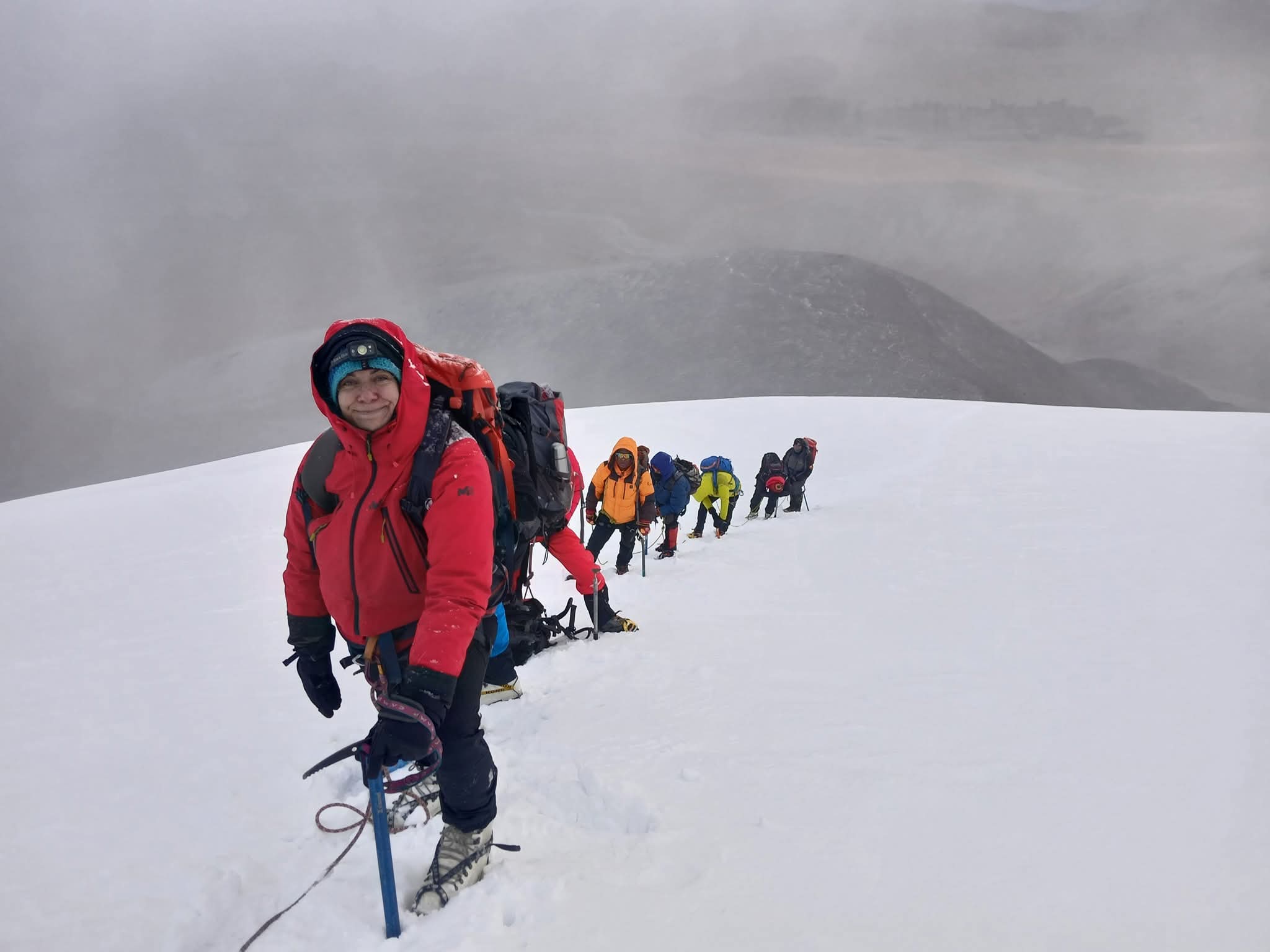
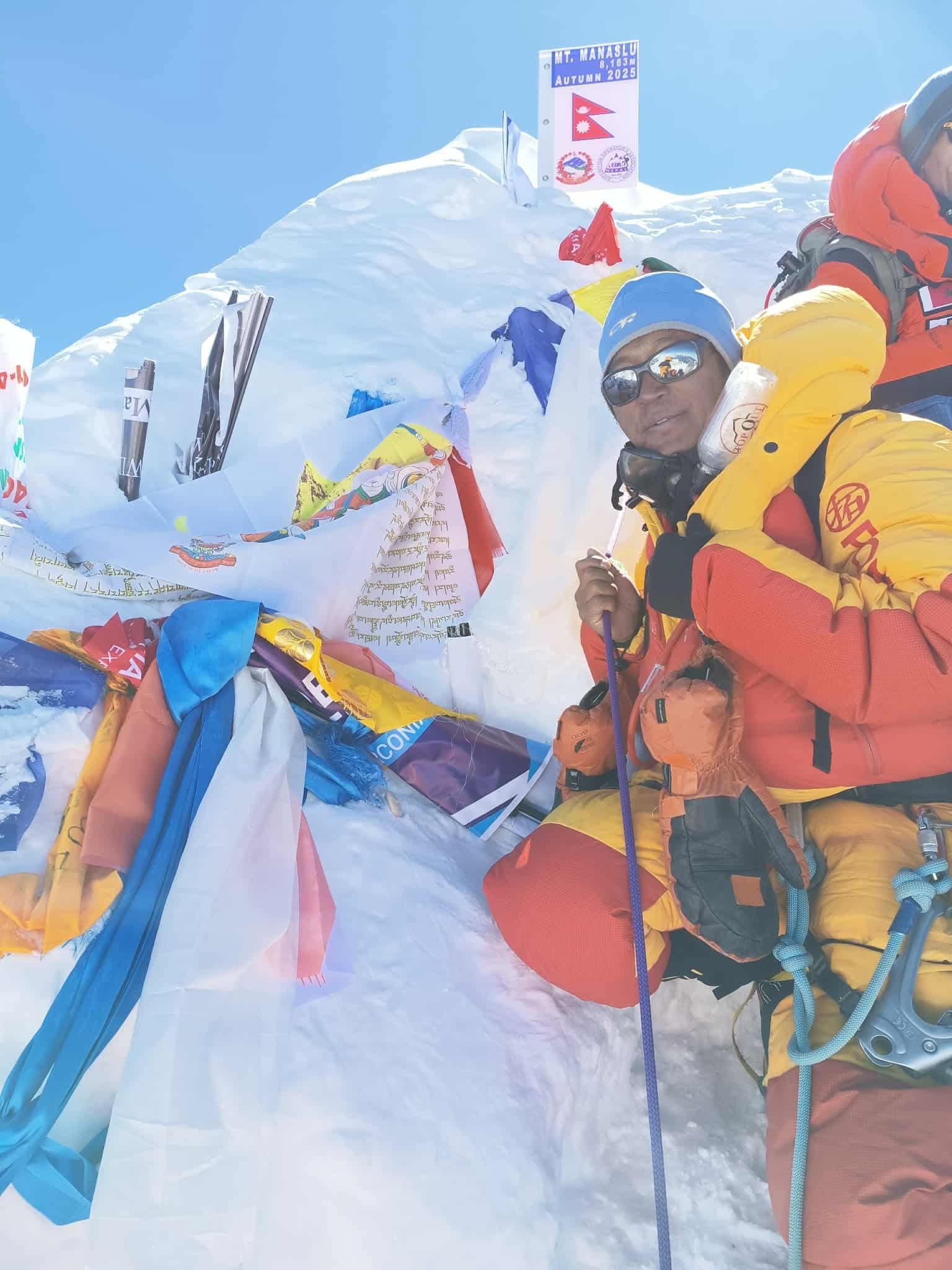
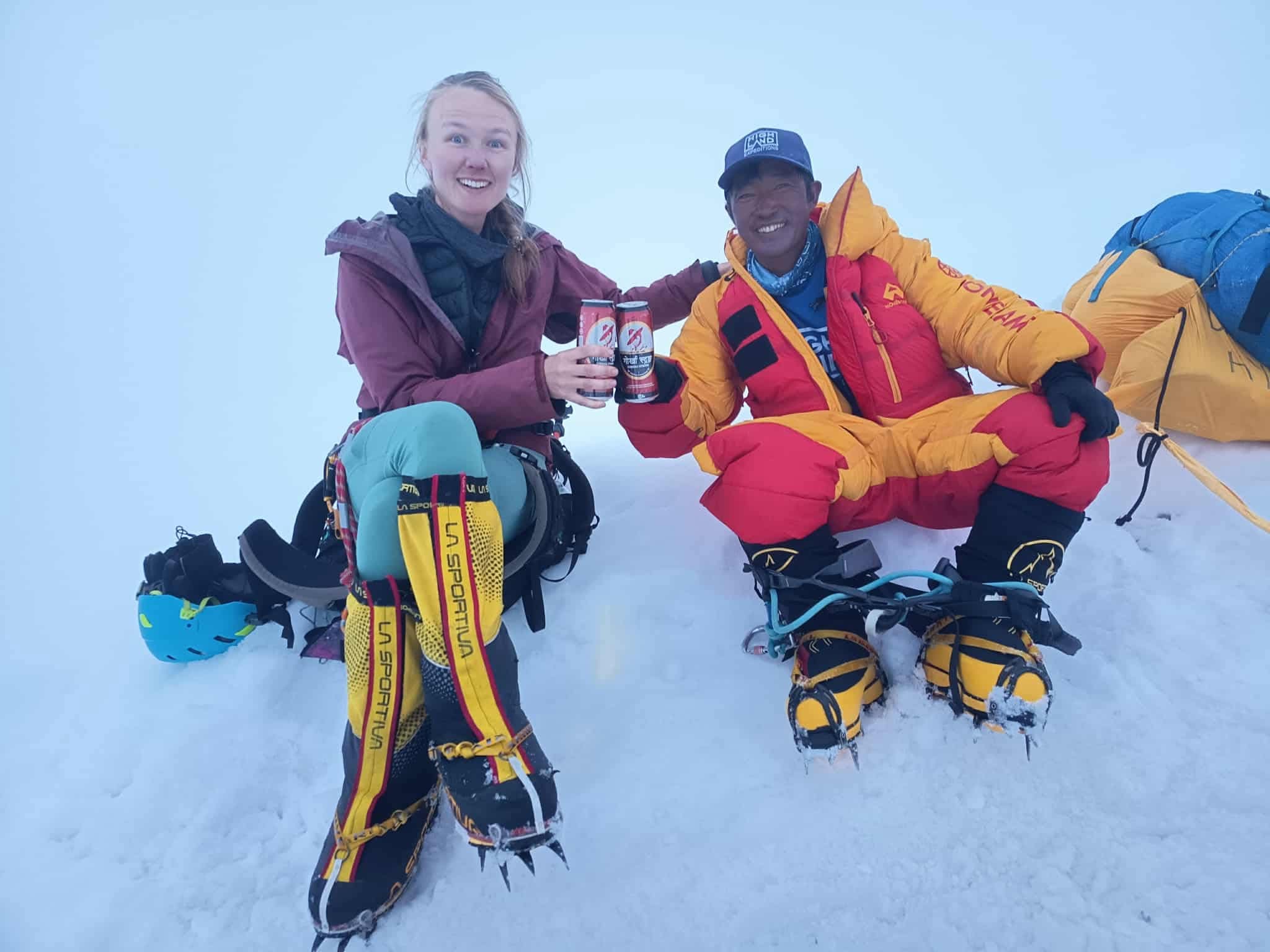
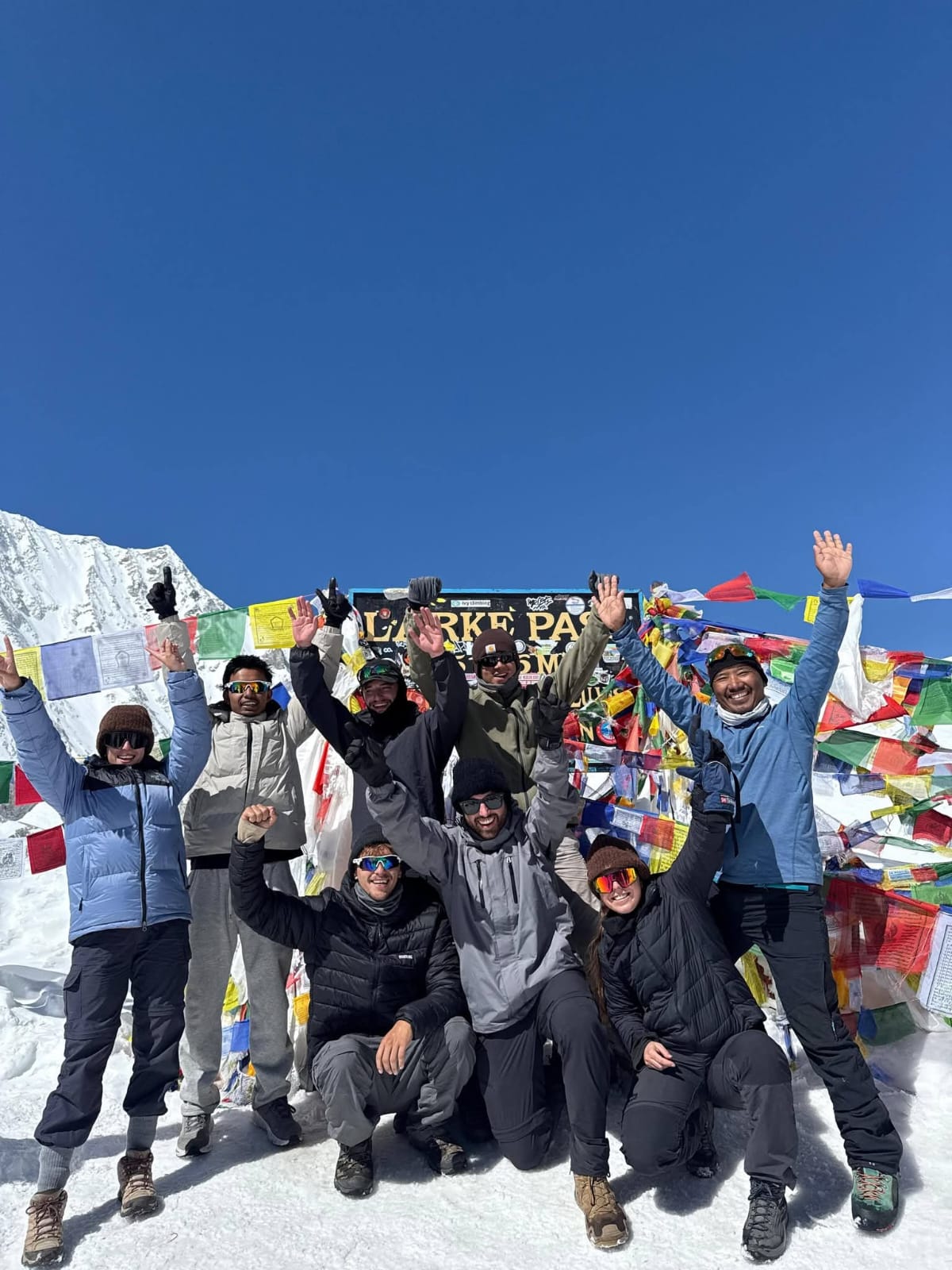
Moments from the trail
Real trail scenes from the regions we guide, hand-picked from our photo gallery.
Explore by region

Nepal's most diverse trekking region, from subtropical forest to high mountain passes.
Explore Region →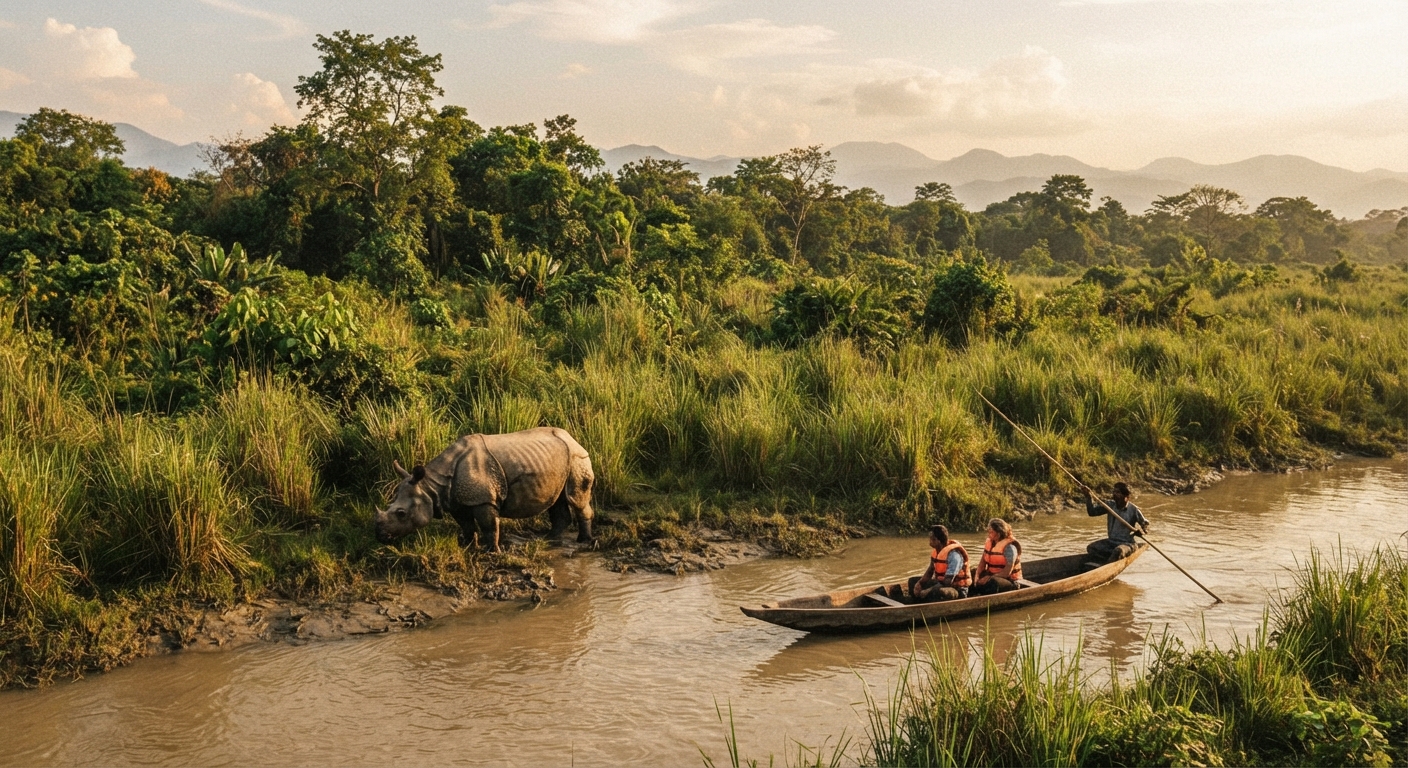
Chitwan National Park, in Nepal's Terai, is the country's leading wildlife destination — a UNESCO World Heritage subtropical lowland park known for one-horned rhinoceros, Bengal tigers and gharial crocodiles, paired with Tharu indigenous village culture along the Rapti River.
Explore Region →
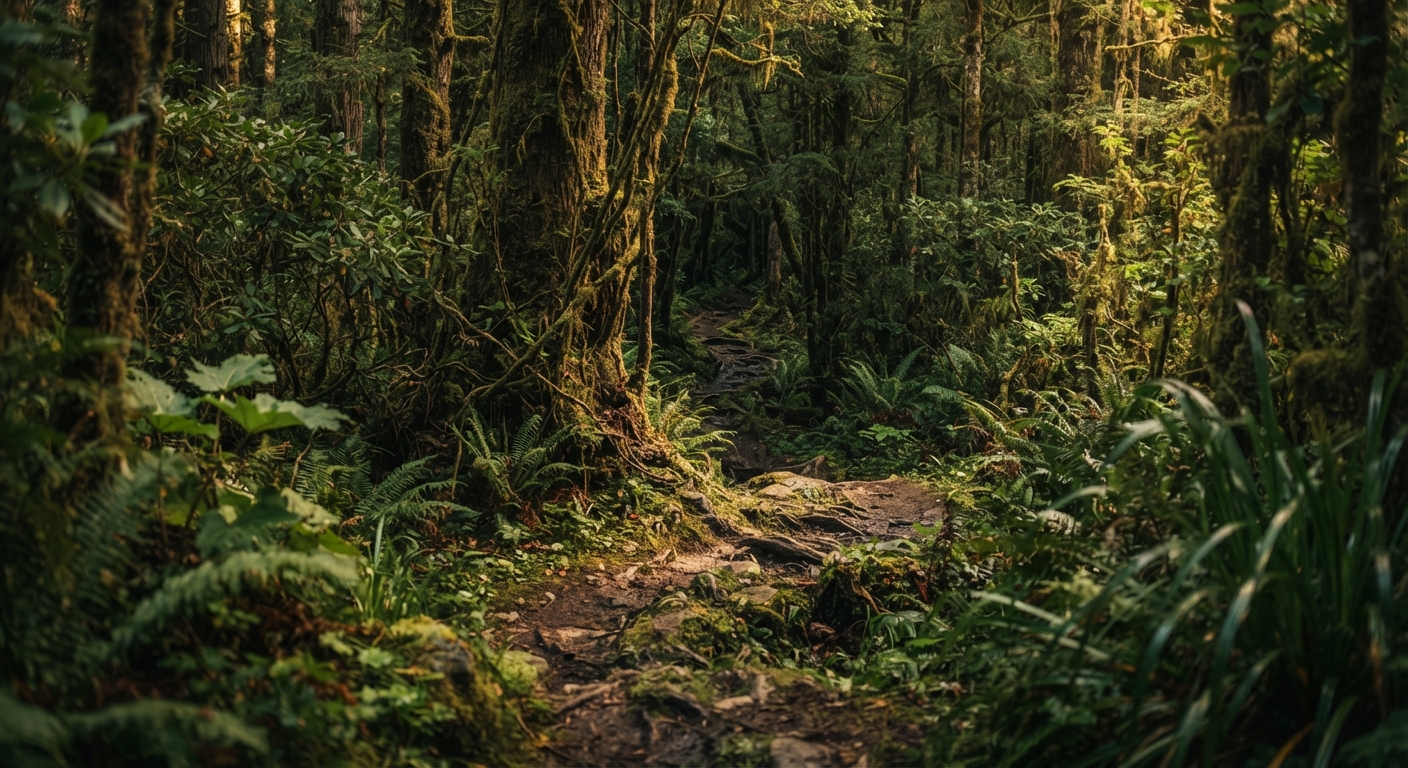
Beyond Nepal's marquee routes, there are dozens of shorter, less-trodden trails — good options for travelers with limited time, first-time trekkers, or anyone looking to avoid peak-season crowds.
Explore Region →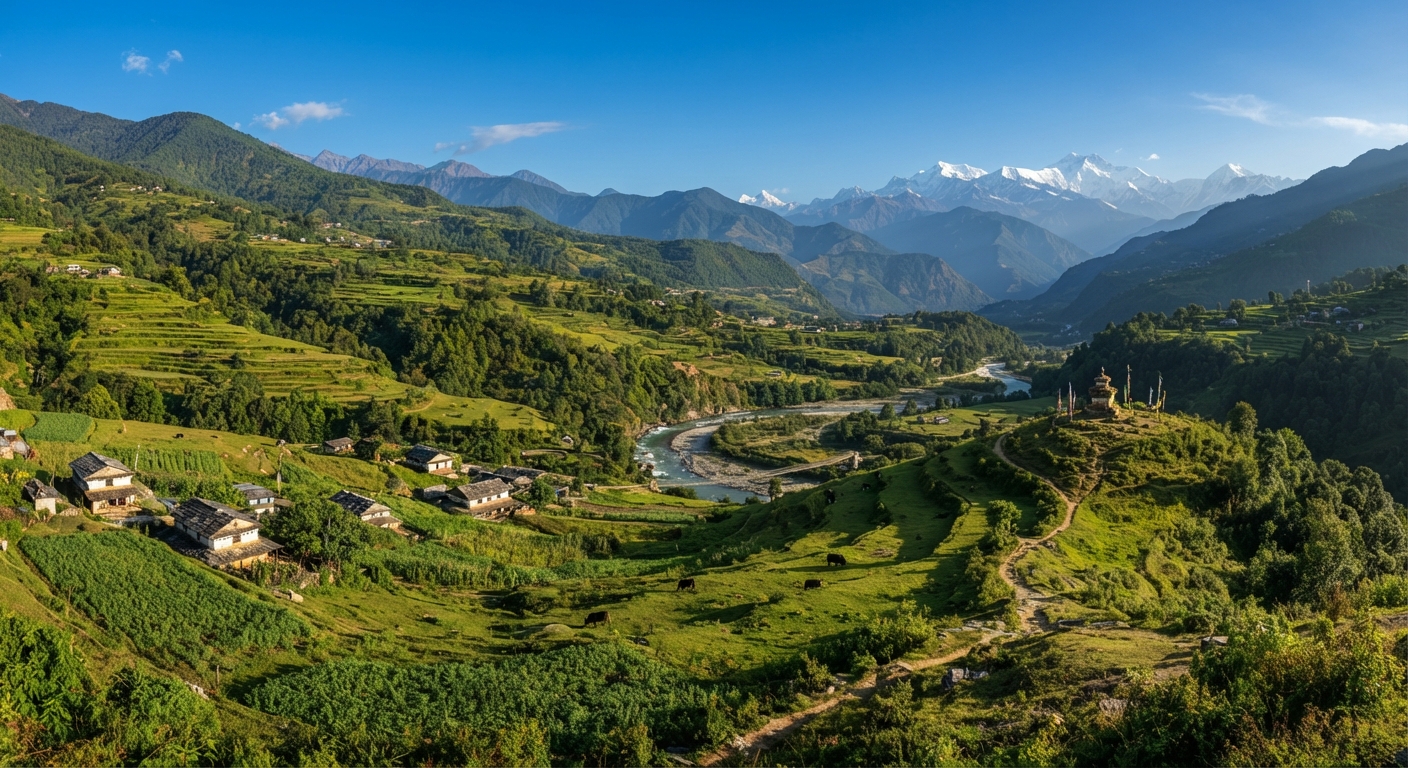
Jiri, in Nepal's hills east of Kathmandu, is the classic overland gateway to the Everest region and is marketed as the "Switzerland of Nepal" for its green hills and pastures — a starting point for both the historic Jiri-to-Everest trek and shorter hill routes.
Explore Region →Why travel with us
Routes, weather, communities and trail conditions are considered before a journey is recommended.
Daily walking distances, acclimatization, road access and traveler pace are balanced carefully.
Trips can be shaped around interests, comfort preferences, dates, group size and budget.
Preparation, responsible pacing, field communication and emergency coordination guide the plan.
Journeys should respect mountain environments, local traditions, guides, porters and lodges.
The team helps before arrival, during the trail experience and until the journey is completed.
Trail record
Traveler reviews
Reviews are collected after every completed trek.
“Everest Base Camp was the trip of a lifetime, and Shailung made it feel personal from the first email. Our guide knew every teahouse owner by name and adjusted the pace when altitude hit me harder than expected. Never felt like just another booking.”
“We did the Annapurna Circuit as a group of four and the planning was spot on — good acclimatization days, honest advice about gear, and quick replies whenever we had questions before the trip. Would book with them again without hesitation.”
“Took my parents on a cultural tour around Kathmandu Valley and the pace was exactly right for us — not rushed, lots of context on the temples and history. Only reason it's not five stars is a slightly late pickup on day one, but they were apologetic and it didn't affect anything else.”
From the trail journal
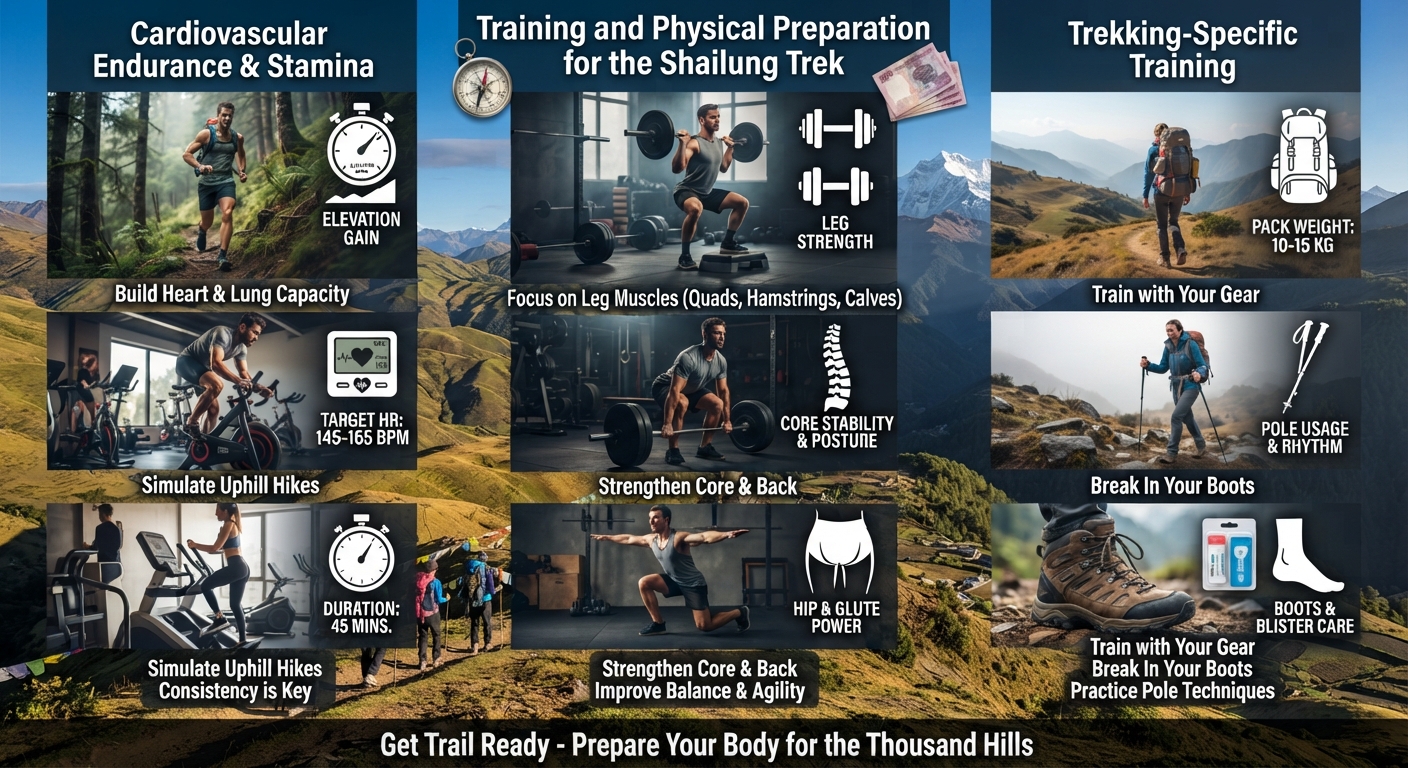 Safety & Health
Get ready for your journey with our Shailung Trek fitness guide. Learn essential cardio exercises, strength routines, and conditioning tips for the trail.
Read Guide →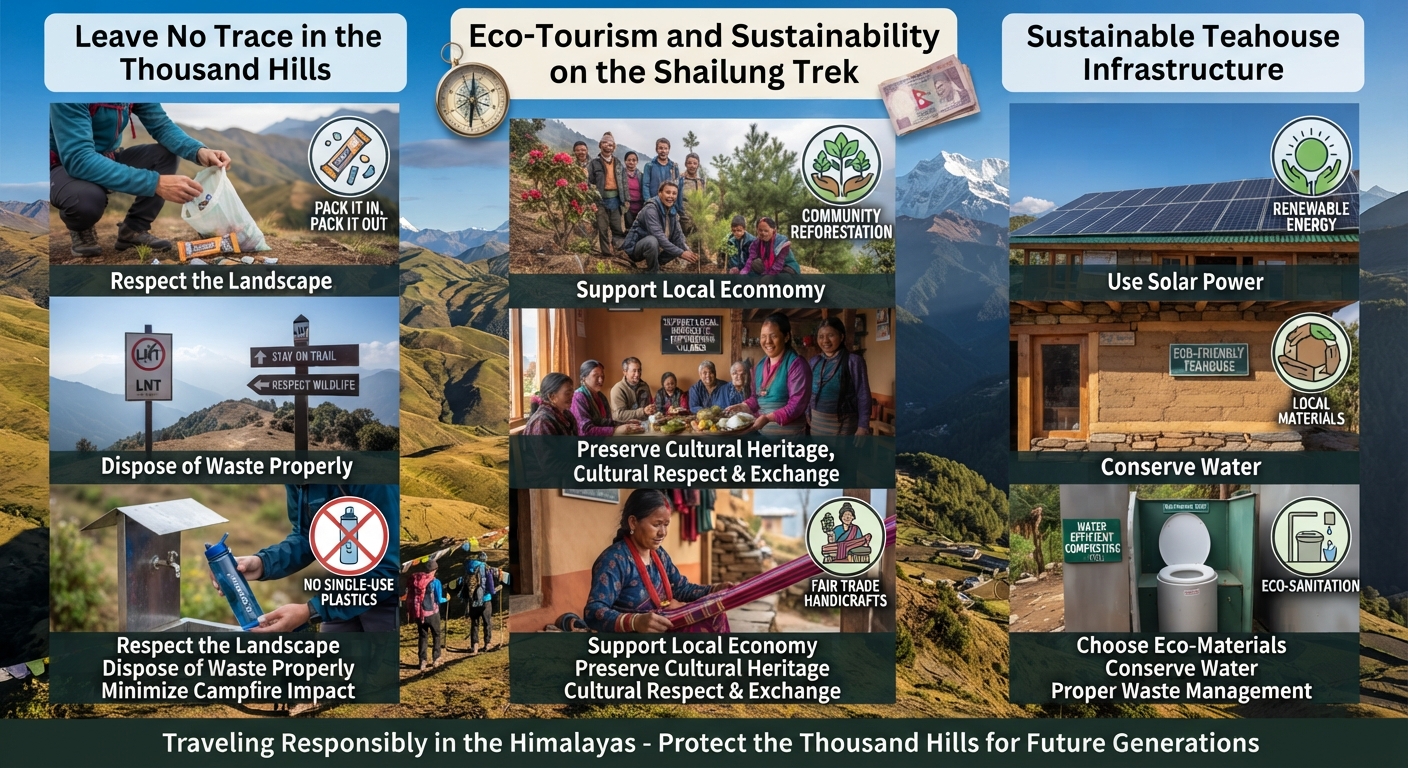 Culture & Community
Discover how to practice eco-tourism on the Shailung Trek. Learn responsible travel habits to preserve fragile mountain trails and support local villages.
Read Guide →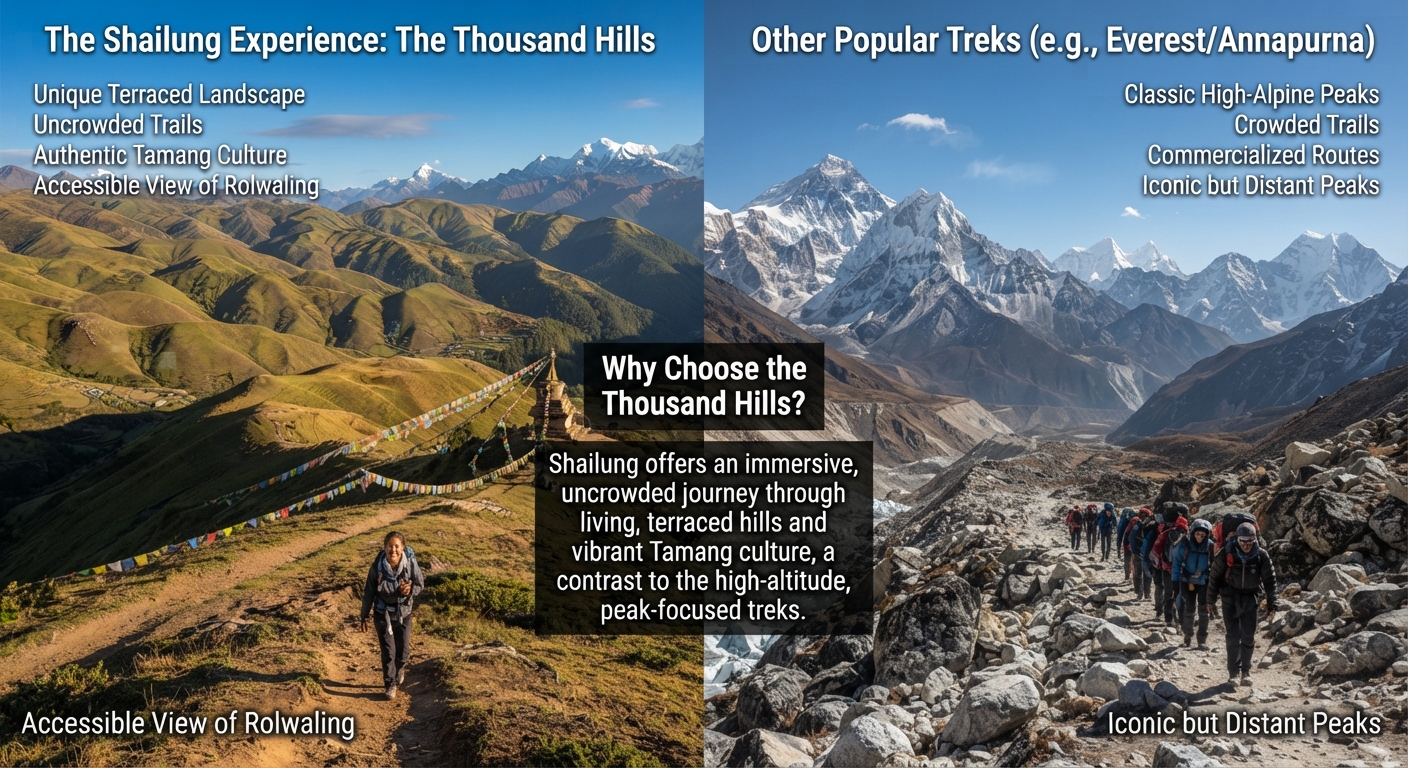 Route Guides
Compare Shailung with popular Nepal treks like Annapurna and Everest. Discover why the thousand hills offer a unique, crowd-free, culturally rich alternative.
Read Guide →Before you go
The pre-monsoon spring months (March to May) and post-monsoon autumn months (late September to November) are considered the two best trekking seasons in Nepal, thanks to stable weather, clear mountain views and comfortable daytime temperatures. Winter (December-February) works well for lower-altitude treks and short tours, while the summer monsoon (June-August) is better suited to rain-shadow regions like Upper Mustang and Dolpo.
Both are classified as moderate to challenging, but for different reasons. Everest Base Camp involves higher altitude (up to 5,364m at Kala Patthar) and colder, thinner air over roughly 12-14 days, while the Annapurna Circuit covers greater distance and a dramatic climate shift as it crosses the Thorong La pass (5,416m). Neither route requires technical climbing skills, but both need good baseline fitness and proper acclimatization.
Yes. Most routes require a TIMS (Trekkers' Information Management System) card plus a national park or conservation area permit -- for example, the Sagarmatha National Park permit for Everest region routes or the Annapurna Conservation Area Permit. Restricted regions such as Upper Mustang, Manaslu and Nar-Phu need an additional special permit with a daily fee. Exact costs vary by route and season, and Shailung Trails & Trekking handles the paperwork as part of every booked package.
A registered guide is legally mandatory for solo trekkers on most independent trekking permits, and it's required for all travelers on restricted routes like Upper Mustang, Manaslu and Nar-Phu. Even on routes where it isn't strictly required, trekking with a licensed local guide is strongly recommended for navigation, safety, altitude monitoring and cultural context.
Pricing depends on the route, trip length, group size, season and level of comfort (teahouse vs. camping, shared vs. private transport). Costs generally cover permits, a licensed guide, accommodation, meals on the trail, and ground transportation, with a full breakdown provided at the quote stage. Custom itineraries and international add-ons are priced separately based on your requirements.
Altitude sickness (AMS) can affect trekkers above roughly 2,500m regardless of fitness level, with symptoms like headache, nausea and fatigue. It's managed through a gradual ascent profile with built-in acclimatization days, staying hydrated, avoiding alcohol at altitude, and descending immediately if symptoms worsen. Guides are trained to monitor trekkers throughout the trip and adjust the itinerary if needed.
Tell us where you want to go, how much time you have and what kind of experience you are looking for. Shailung Trails & Trekking will help turn your idea into a realistic and carefully planned Himalayan journey.
Where every step feels like heaven