Wilderness Camping
Sleep Under the Stars. Wake Up in the Himalayas.
- Duration
- Varies by itinerary, typically 3-10 days
- Difficulty
- Moderate
- Location
- Mustang, Dolpo & Manaslu regions
- Pricing
- Custom quote
At a glance
Overview
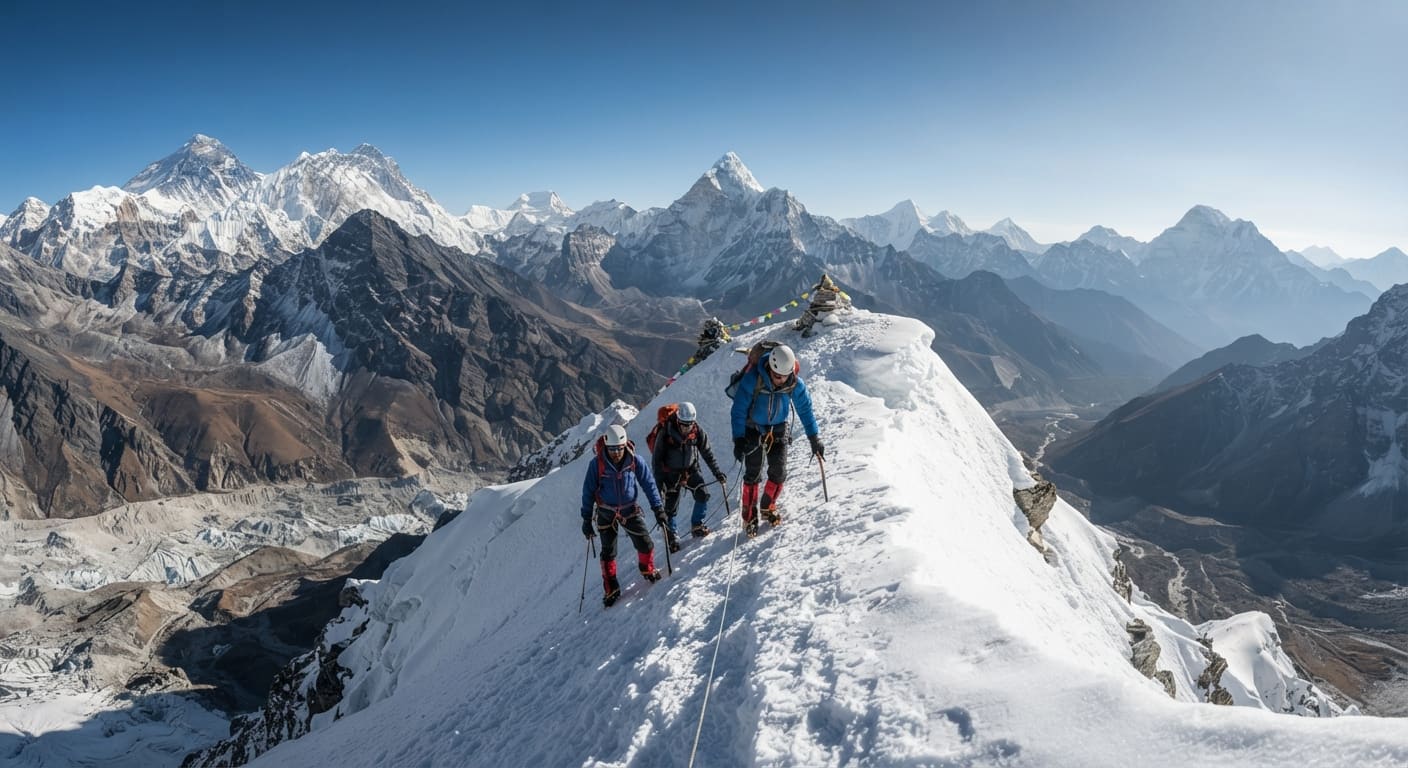
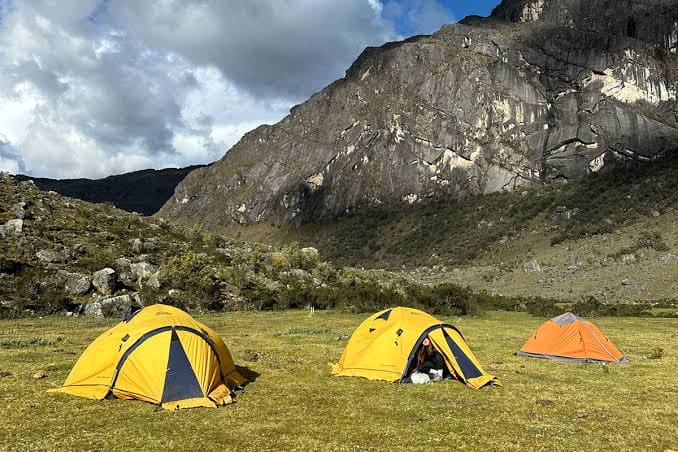
Some of Nepal's most spectacular landscapes — Mustang's high desert, Dolpo's remote plateaus, the approaches to Kanchenjunga and Makalu Base Camp, Rara's alpine lake, Dhorpatan — have no teahouse infrastructure at all, which is exactly why wilderness camping trips reach places few travelers ever see. Our camping crews carry and set up full expedition-style camps — sleeping tents, a dining tent, kitchen tent and toilet tent — so you get a genuinely remote experience without roughing it more than you want to. Nights under a sky with essentially no light pollution, days walking through landscapes that feel untouched, and a crew handling the logistics so you can focus on the trail.
Available destinations
Know before you choose
Why this adventure stands out
The defining experiences and details that make Wilderness Camping distinctive.
Full-service camping in Nepal's most remote regions: Mustang, Dolpo, Kanchenjunga, Dhaulagiri Circuit, Makalu Base Camp, Rara, Dhorpatan
Complete camp setup — sleeping, dining, kitchen and toilet tents — carried and managed by your crew
Genuinely dark skies and remote wilderness far from any road or teahouse
Experienced camping crew and cook team preparing meals at camp each night
Ideal for trekkers who want the most remote, least-visited corners of the Himalaya
Before you go
Essential trip information
Best season
- +March-May and September-November, avoiding the monsoon and the coldest winter weeks at altitude.
Group size
- +Private groups of any size — full crew scales to your group
What to bring / know
- +A good-quality four-season sleeping bag rated for high-altitude camping temperatures
- +Prior multi-day trekking experience, since these routes are remote with limited support options
- +Comprehensive insurance covering remote-area trekking and evacuation
- +Realistic expectations about basic facilities — this is genuine wilderness, not a lodge trek
Good to know
Frequently asked questions
What's the difference between a teahouse trek and a wilderness camping trek?
Teahouse treks stay in local lodges along established trails with basic facilities. Wilderness camping trips go into remote regions with no lodge infrastructure at all, so the crew carries and sets up a full mobile camp each night.
Is wilderness camping physically harder than a regular trek?
The trekking itself is similar in difficulty to any high-altitude route, but the remoteness means less backup support, so a solid trekking fitness base and prior high-altitude experience are recommended.
What gear is provided versus what should I bring?
We provide all camping infrastructure — tents, kitchen equipment, camp furniture — and meals. You'll need your own sleeping bag, trekking clothing and personal gear; a full checklist is provided on booking.