Remote Himalayan Exploration
Go Beyond the Map. Discover the Unknown.
- Duration
- Varies by region, typically 15-30 days
- Difficulty
- Challenging
- Location
- Dolpo, Humla & Kanchenjunga
- Pricing
- Custom quote
At a glance
Overview
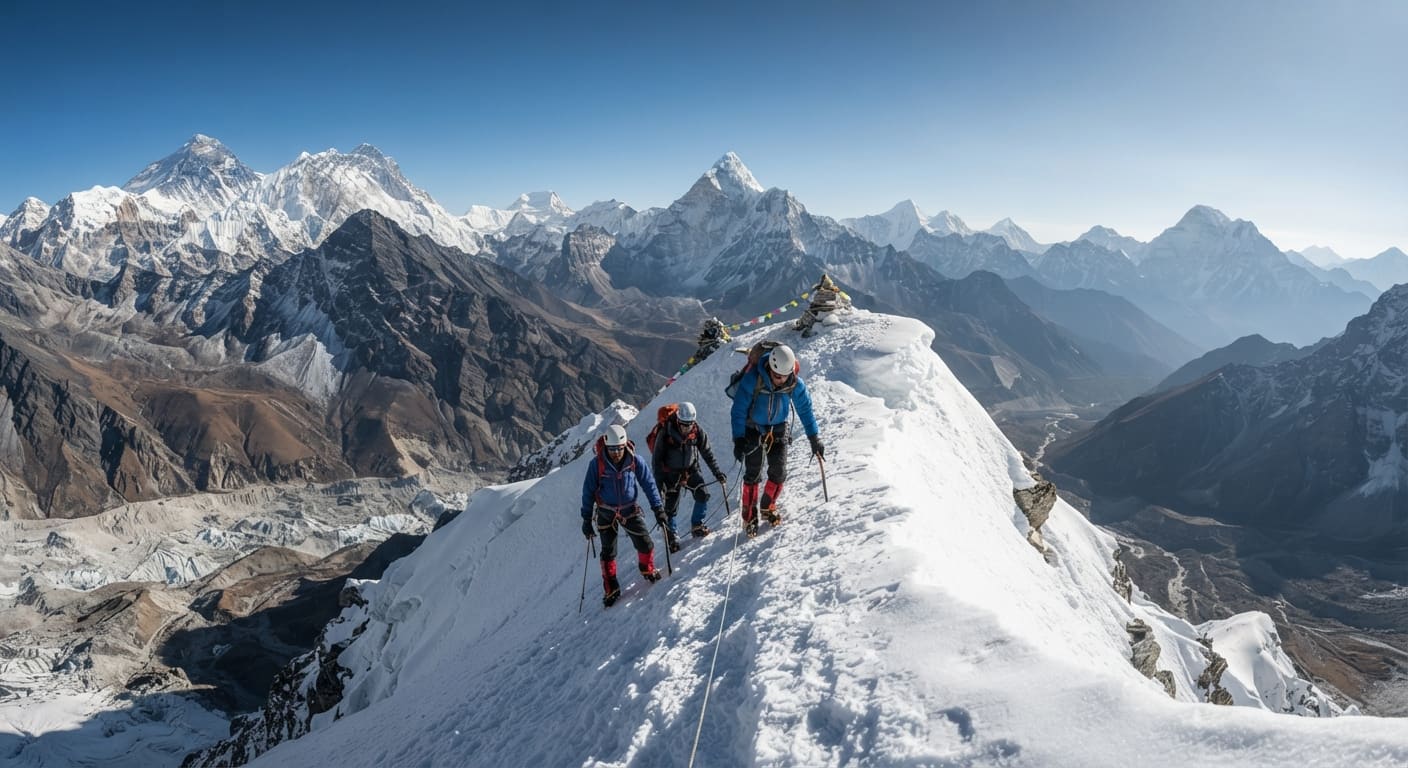
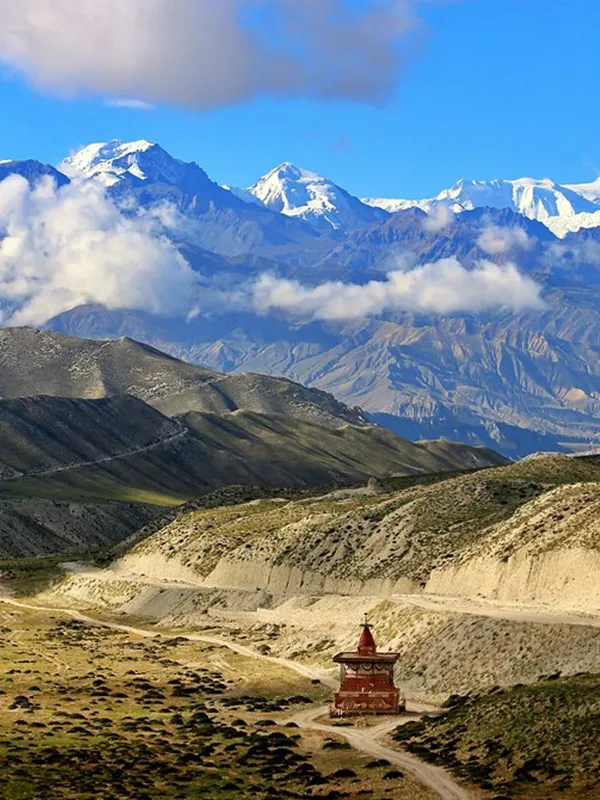
Beyond Nepal's established trekking circuits lie regions that see a fraction of the visitors — Dolpo's high desert plateau, Humla in the far northwest near the Tibet border, Kanchenjunga's remote eastern approaches, Api Himal, and the Lumba Sumba and Makalu Base Camp routes. These trips trade trail infrastructure for genuine remoteness: ancient trade routes, isolated Buddhist and Bon communities largely untouched by mass tourism, and landscapes that shift dramatically from lush mid-hills to stark high-altitude desert. Built for experienced trekkers who've done the classic routes and want to go further off the map, with longer approaches, restricted-area permits, and a level of logistical planning the popular trails simply don't require.
Available destinations
Know before you choose
Why this adventure stands out
The defining experiences and details that make Remote Himalayan Exploration distinctive.
Access to Nepal's least-visited regions: Dolpo, Humla, Kanchenjunga's remote approaches, Api Himal
Ancient trade routes and Buddhist/Bon communities largely untouched by mass tourism
Restricted-area permits and specialized logistics handled for you
Dramatic landscape shifts from mid-hill forest to high-altitude desert
Built for experienced trekkers seeking genuine remoteness, not repeat classic-route travelers
Before you go
Essential trip information
Best season
- +Late spring through early autumn (May-September) for the most reliable access on the highest, most remote routes.
Group size
- +Small private groups given the logistical demands of these regions
What to bring / know
- +Significant prior high-altitude, multi-day trekking experience
- +Flexibility in scheduling — remote-region logistics sometimes shift with weather and permits
- +Comprehensive insurance covering remote and restricted-area trekking
- +A genuinely self-sufficient mindset — support infrastructure is minimal by design
Good to know
Frequently asked questions
How is remote Himalayan exploration different from a standard trek?
These routes go into regions with little to no teahouse infrastructure, require restricted-area permits, and involve longer approaches — they're built for experienced trekkers seeking genuine remoteness rather than well-trodden trails.
Do I need a special permit for regions like Dolpo or Humla?
Yes — these are restricted areas requiring special government permits, which we handle as part of your trip planning. Advance notice is needed given permit processing times.
What trekking experience is recommended before attempting these routes?
Prior multi-day high-altitude trekking experience is strongly recommended, since remote regions offer far less backup support than established circuits like Everest or Annapurna.